Friday, April 17, 2020

'Raw' Has a Powerful Message That Was Sadly Silenced

Seeing as how we're talking about international films (many of which get snubbed of proper recognition at the Academy Awards), why don't we combine it... with a genre that often gets snubbed at the Academy Awards? Horror.

The rules that international films (recently changed from "foreign films," cause let's face it, every film from someone in a country other than the US is foreign), are extremely stringent, and the Academy has faced a lot of criticism for it. I think the most ridiculous of these rules is that there specifically can only be one film from each country that is submitted from each country, and that is exactly how Raw was snubbed of its nomination.

Boasting an excellent 92% on Rotten Tomatoes, the film is made in France and meeting all the requirements to receive a nomination, Raw is a horror that cuts much deeper than what is initially seen on the screen.


The film centers around Justine, who has been a vegetarian her entire life. However, after enrolling at her new vet school (which is filled with hazing, bullying, and harassment), she is peer pressured into eating meat, which in turn sends her down a path which not many have ever been before.

Clearly a representation of addiction, Raw attempts to capture truly what it's like to get off of a drug (or really any kind of) addiction, and what a relapse feels like. Instead of using a literal drug however, Raw uses satire to display exactly how society and many viewers see people who are trying to get over addiction; as monsters.

There are some pretty terrifying moments in Raw that remind me of my high school days, and also thankfully make me glad that I didn't go to a college similar to the one that is depicted. The ending is a crazy twist, and there is almost no barrier that affected my enjoyment.

Very powerful, well acted, well written, and beautifully shot, Raw exemplifies what a horror film should be, which is super impressive because in the last fifty years or so, horror has been perfected and almost completely owned by the United States.

However, when we talk about The Academy Awards, it's a completely different ball game. Not only are horror films often discriminated against, but so are Film that come from larger countries.

The "one film per country rule" is super discriminatory against bigger countries. While I understand that you want every country to have equal representation, The Academy must understand that by silencing films such as Raw, and not allowing it the exposure it rightfully deserves, people are being robbed of not only an experience, but a lesson. I would suggest that the rule be completely stripped and that the category (in terms of how films are submitted) work like any other.

I feel like if this rule was stripped away, films such as Raw could adequately be recognized and more people would receive the film's message. I feel like in today's world, there is such a negative attitude toward addiction. Even trying to get better is viewed negatively (ex: going to rehab). Raw attempts to make addiction out to be what it truly is: a disease. If more people understood this, I think we move toward a more brotherly society that strives to see people improve their lives, and are encouraged for doing so. Silencing these moves and denying them the exposure they rightfully deserve is just plain wrong and must change.


Thursday, April 16, 2020


"Blind Date" 
By: Tyler English


Blind Date is a 2015 French romantic comedy film that is both directed, and starred by Clovis Cornillac. Melanie Bernier, Lilou Fogli and Philippe Duquesne are French actresses who also played huge roles in this film as well. 
Blind Date (2015 film) - Wikipedia


Melanie Bernier, who is an extremely shy woman in the film has just moved to an apartment in Paris. She had been living with her piano teacher, but is now pursing her own pianist career on her own. Her first night she hears strange noises and a picture on her wall begins to move so she made a visit to her former home where her piano teacher resides. Once she returns back to her own home, she realizes that the noises she is hearing is being made by her neighbor. He explains to her that the walls separating their homes are hollow and that almost every noise can be heard. He purposely makes unnecessary noise when a new tenant moves in to try to scare them off, but Melanie was not going for that. Clovis Cornillac, her next door neighbor is a puzzle creator who needs his peace and silence, while she is a accomplished pianist who is preparing for a competition that could change her whole life. This is difficult for the both of them and they are required to coexist in order to succeed in what they both want. 
A few reviews - Page 78 - THE NIGHTMARE NETWORK

Despite how such a good film Blind Date is, I don't believe it was eligible to be considered a Best Foreign Film according to the list of rules. Blind Date was in fact played in a commercial theatre in it's home country for at least a week, and also the dialogue in the film was predominantly non-english. I think what kept this film from being eligible was that the "creative control" was not largely in the hands of the citizens and was largely in the hands of Clovis Cornillac, and possibly a few others. I say this because when watching , you can feel the originality of this film and can tell that the Director and writer wanted this one way and one way only. I highly think this film still should have been eligible due to it being such an amazing watch. 
Blind Date (2015) Movie Review

Tuesday, April 14, 2020

Police Story

The film: https://www.youtube.com/watch?v=00OjI9ryoaU

A video on Chan: https://www.youtube.com/watch?v=Z1PCtIaM_GQ

"Police Story" is simply one of the greatest action movies ever made. It has a plot that is constantly interesting and flows in a way that is quite different than American action movies made during its time period. The big action films of the 80s tended to feature giant Herculean Goliaths and the storylines were often times serious, where the comic relief would come from one liners. Jackie Chan made his action plots purposefully quirky, but it never feels silly in anyway. It is a great blend of comedy and action. And as per the action, it is a wonderful combination of classic Old Hollywood gunfights and East Asian martial arts cinema.

Police Story (1985) | The Criterion Collection

Under the current rules of the Academy, Jackie Chan's 1985 masterpiece would be not only be eligible, but I think it would have a pretty good chance at being nominated at the very least. As per the regulations for the award, it is completely in Cantonese and features a cast that is completely either from Hong or the Cantonese regions of China. I think part of the reason why there wasn't much attention given to it at the time was due to the overall focus of the Academy. I certainly don't mean to be cynical when I say this, but back in the day films considered to be of high brow tended by those made by the French and the Italians. It is no wonder why a martial arts cop movie would be overlooked.

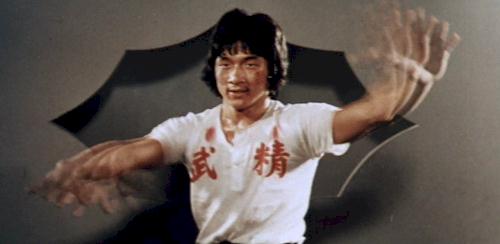
Jackie Chan Nearly Died Making “Police Story.” The Least You Can ...

Even though it was ignored by the Academy, it has wonderfully received a tremendous amount of international praise since then. Most critics seem to consider this to be Chan's best film and definitely his best action film. It won Best Picture in Hong Kong's Film Awards and was one of the films that gave Chan his big break internationally, although the films "Project A" and "Wheels on Meals" certainly helped alongside this film.

Wheels on Meals (1984) Jackie Chan vs Benny Urquidez battle scene ...

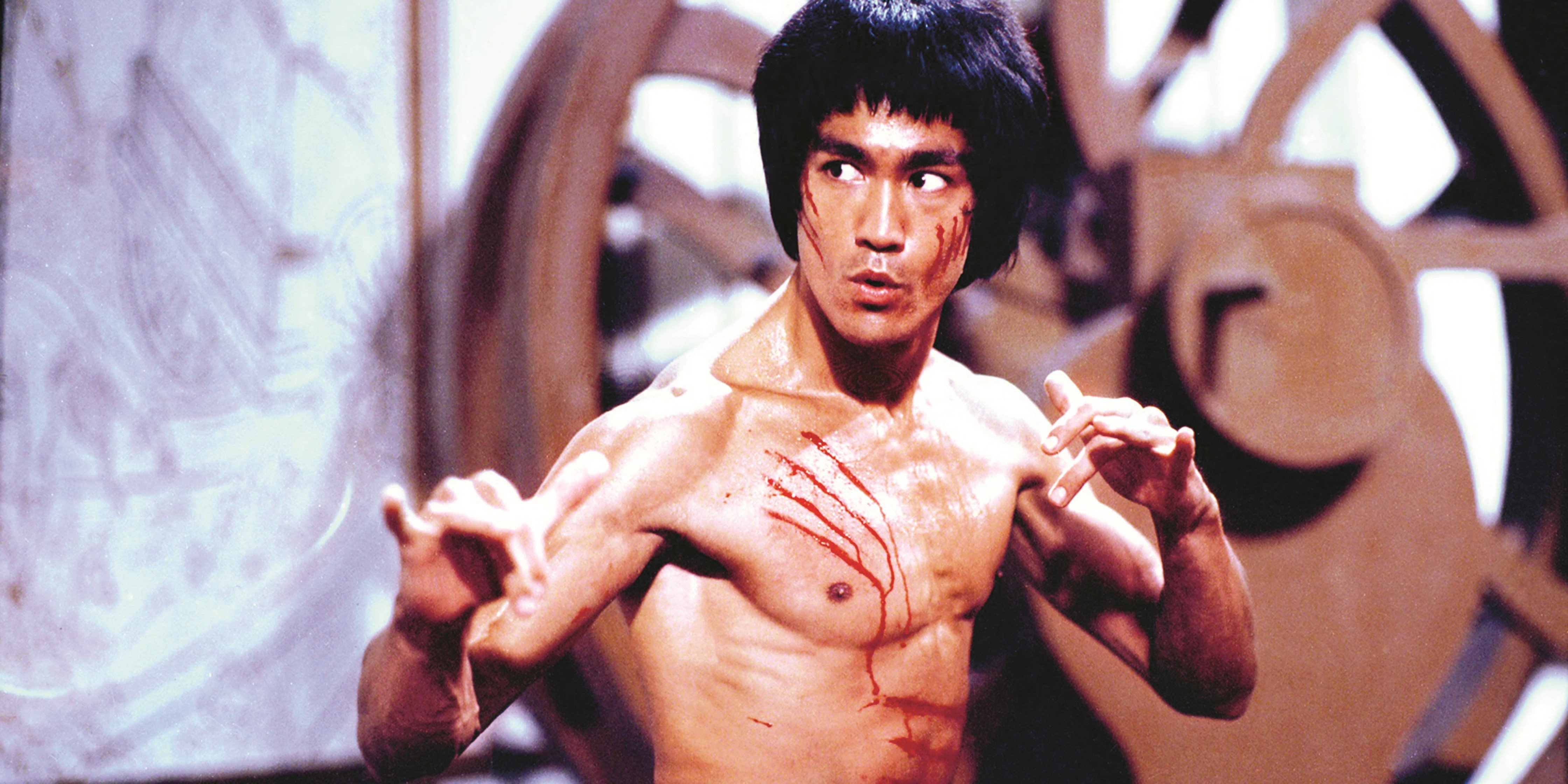
One of the many important influences of Jackie Chan in general in this period is how he was able to brand his own persona in the context of Hong Kong cinema. It was an uphill battle for Chan, but he was able to pull through and stick to his guns. He started his film career as a stunt double for Bruce Lee, starting with the film "Fist of Fury" in 1972.

How kung fu icons like Bruce Lee, Jackie Chan became a hit in ...

When Lee died a year later, the Hong Kong industry tried several times to brand Jackie Chan as the new Bruce Lee. He hated that as Bruce Lee was in many ways a mentor for Chan. Out of respect for him, it would be a disservice to simply copy what Lee did. So Chan, overtime, started to use the tactics of old silent comedians and fuse those ideas with the ever popular martial arts genre. That was an innovative new idea. Whereas Lee's films were serious in tone and often times about the historical conflicts between the Chinese and Japanese, Chan's films were slapstick crime dramas which seem like a very weird combination, but he was always able to make it work.

New Fist of Fury (1976)

And I think that's exactly what the Hong Kong film industry needed. This was something that could only be produced by Chan and his sensibilities, so on an international scale, it made Hong Kong specifically stand out over other major East Asian industries, most notably To Ho in Japan. If this film is saying anything about its country, it is simply showing the international world what its cinema is capable of, and giving it a new image distinct from the legacy of Bruce Lee. It also showed an authenticity for this type of filmmaking. Because Chan was originally a stunt man himself, always did how own crazy stunts. This gave him a certain security to do some death defying things that had more or less been dead ever since the films of Buster Keaton and Harold Lloyd, two of Jackie Chan's biggest influences.

Enjoy Harold Lloyd Silent Classic With Live Music Monday Night In ...

Where American films would have stunt doubles for actors and would use camera tricks to pull off daring feats, Chan would actually hang off of a moving car with only an umbrella and would propel himself into panes of real glass. He has said that a lot of the cuts on his face towards the end were real from the abuse his body took. The most serious was towards the end when he jumps from a ledge in the mall onto a pole that goes all the way to the main level. Because the pole was covered in lights and hanging wires, he electrocuted himself and burned the skin on his hands, and then dislocated his pelvis when he crashed through glass ceiling and hit the floor. It's this relentlessness that is partially so fun to watch with him. And I love perfectionist auteurs and the effort it takes to make the Chinese Opera on film really makes all the difference.

The Most Painful Stunt Ever: https://www.youtube.com/watch?v=6KxPgMcvcMI


Tuesday, April 7, 2020

The Tim Burton Aesthetic


   Children and the concept of death or more specifically the concept of the loss of life is a topic many parents would regard as morbid and inappropriate for their child to learn about; however, in the dark gothic world of Tim Burton’s mindscape, the concept of death and loss is presented in a manner that even a child could digest and understand. Tim Burton’s artistic direction has developed a few iconic characteristics that allow his films to be picked out without ever seeing the film: the gothic yet whimsical sets and scenery, the inclusion of the orchestral works of Danny Elfman, and the inclusion of Johnny Depp as a flamboyantly abnormal character. Some of Tim Burton’s most famous works are The Corpse Bride, Frankenweenie, the 2005 Charlie and the Chocolate Factory, Beetlejuice, and Edward Scissorhands. All of which share aspects of his unique perspective and style.
            The settings of Tim Burton’s films share quite a few varying aspects, in many cases, there is a clash between a gothic horror style setting and a modernized setting. In Edward Scissorhands, we can see an example of this clash, with the 1950s aesthetic of the town and the decrepit gothic manor where the titular Edward resides. This clash is present in many of his films, with the chocolate factory and the dilapidated house of Charlie Bucket in Tim Burton’s 2005 adaptation of the Roald Dahl’s Charlie and the Chocolate Factory. This clashing concept of the gothic style and modern life can be interpreted as the ever-clashing concept of life, the modern setting, and death, the gothic setting. While it is never expressly explained, the darker more gothic setting is contributed with “evil” or “abnormal” characters, as seen with both Edward Scissorhands and Beetlejuice; wherein both titular characters are seen as “evil” or “malicious” by outsiders while they reside in these dark gothic homes. These dark undertones and concepts hold only a candle to an even greater characteristic of Tim Burton’s films, the ambiance, and music.
                The musical works for Tim Burton’s films are handled by the remarkable Danny Elfman, he’s known for his work with Tim Burton as well as composing the theme music for The Simpsons, Tales from the Crypt, The Flash, and Desperate Housewives. Elfman is also a major composer of the music from the film The Nightmare Before Christmas. Elfman’s usage of the orchestral style of music gives Tim Burton’s films the intense or dramatic feel needed for many scenes.  Elfman’s music is both whimsical and gothic, it easily captures the overarching tone of Tim Burton’s films. The song “Jack’s Lament” from The Nightmare Before Christmas encapsulates a remorseful sorrow, as well as a coming to a realization, this is paralleled by the song “What’s This?” which encapsulates curiosity, intrigue, and the development of a scheme. Unlike many other creative minds, Tim Burton nearly exclusively chooses Elfman to compose the soundtracks for his films.
                A familiar face in Tim Burton’s cast list is that of Johnny Depp, while he is not as prevalent in the animated films, Johnny Depp is very prevalent in the live-action films, staring as Edward in Edward Scissorhands, Willy Wonka in Charlie and the Chocolate Factory, Victor Van Dort in The Corpse Bride, the titular Sweeney Todd in Tim Burton’s adaptation of Sweeney Todd: The Demon Barber of Fleet Street, and the Mad Hatter in Alice in Wonderland to name a few. While Johnny Depp isn’t exclusively an actor for Tim Burton his appearance in the films is an impactful one. The abnormal personality and acting style of Johnny Depp match the abnormal and unique artistic direction that Tim Burton creates for his films.  

Thursday, April 2, 2020

Persona - The Ultimate Auteur Experience

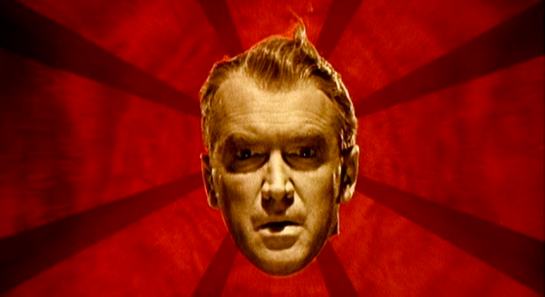
In the 1950s, a revolution was brewing in the systematic DNA of filmmaking. The Golden Age of Hollywood was beginning to wear old, and many people were looking to the European filmmakers for guidance in the innovative spirit that cinema had seldom expressed. It is important to note that by the 50s, film had become somewhat of an established art-form with rules and dogmatic sensibilities. Gone where the days of innovation when it came to editing techniques and storytelling potential. Once DW Griffith had introduced the feature film and editing techniques such as cross cutting, mainstream American cinema had more or less closed its formative canon for the next forty years. It wasn't until Alfred Hitchcock's 1958 blowout "Vertigo" finally shook the filmmaking world and perhaps unknowingly sparked a deconstructionist movement in film.
Vertigo: Classic now, flop then… | i/nternpretation

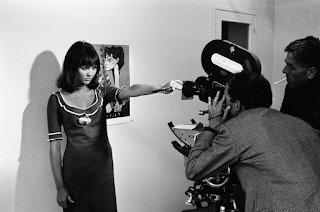
 An even bigger spark towards this revolution was his next film, "Psycho" which broke several norms. One of the most notable break from tradition was to kill off the lead lady in the first twenty minutes. That was unheard of. While in America, this was more or less ignored, the Europeans really used this material for inspiration, which would in turn come back to the Americans with the next generation in late 60s. This deconstructionist attitude was adopted first by Francois Truffaut, Jean-Luc Godard, and the rest of the French New Wave. They lauded Hitchcock's brave innovation and complete control over the authorship of his films. This is where auteur theory comes from - Truffaut's treatise on Hitchcock.
Anna Karina, Queen of the French New Wave Movement

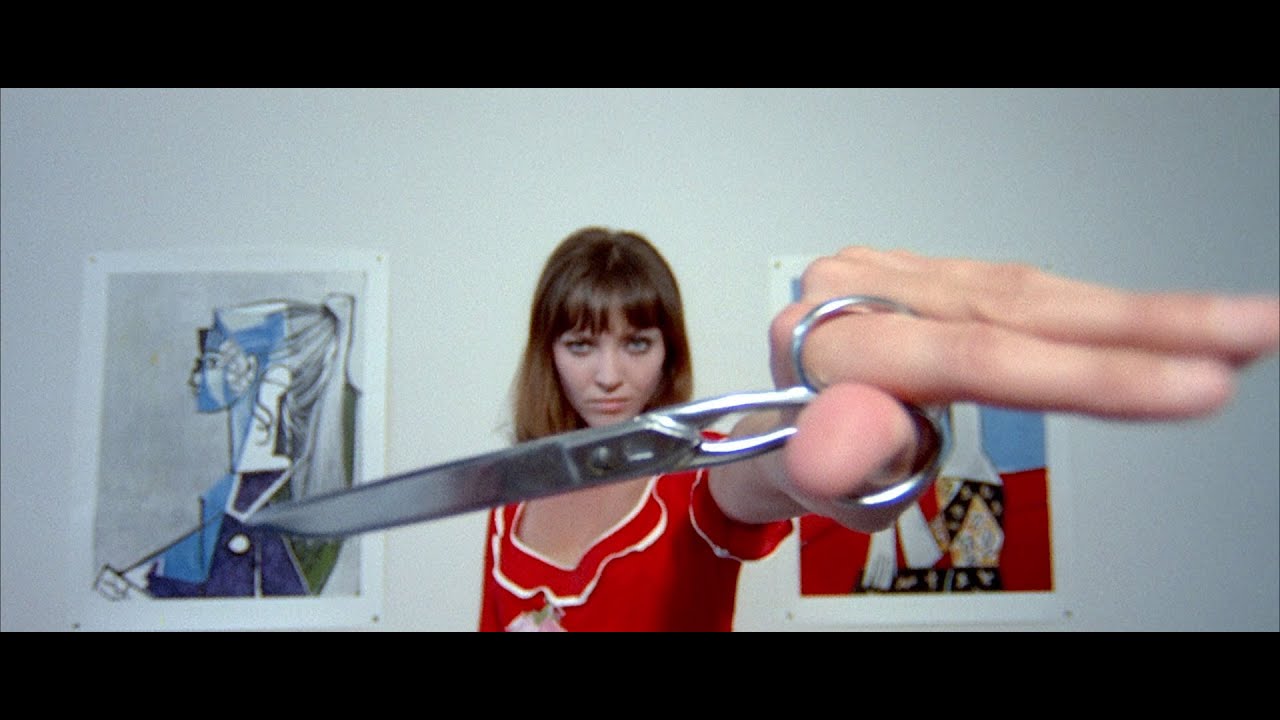
An important feature of the French New Wave was how self aware it was. In America, since about 1915, it was just the norm that the films had to maintain a certain illusion, and that any trace of creative force behind the action was to be completely hidden. The French were some of the first in a very long time to unapologetically make sure the audience was clear that what they were seeing was a careful fabrication of the director and that he was the puppet master in this drama that was unfolding. In a sense, that was the function of the director as auteur. This was the revolution: Self aware films, with an unmistakable DNA print of the director. It was such a power move.
Breaking The Rules - The French New Wave | The Cinema Cartography ...

It did not take long for this revolution to make its way to Sweden, where director Ingmar Bergman had made a pretty big name for himself for making some of the nation's most beloved comedies and dramas. Some major hits were "Wild Strawberries", "Summer with Monika", and "The Seventh Seal." He had a troupe of actors who were frequent collaborators such as Liv Ullman, Harriet Anderson, and Gunnar Bjornstrand. He had several personal ups and downs with his career and often times found himself unhappy with the direction of his work, and would become very depressed because of it. But it was always in these moments when he would come back, guns blazing, with something new and exciting. For instance, the first time this happened was in 1955, when he directed the comedy "Smiles of a Summer Night" after a few disappointing outputs of mundane dramas and films that were considered too artsy and "out there" for an audience. By around 1959, he had found himself in a similar situation. Being in a very bad place, he isolated himself for a time and then started work on an incredibly personal, yet ambitious trilogy about God and faith. The first film in this trilogy was "Through A Glass Darkly" which any routine reader of the Bible will recognize from 1 Corinthians 13: 11-13. The passage refers to Paul (in being a model for the spiritually immature and hedonistic Corinthians) putting away his childishness of youth and becoming a man and facing the uncertainty of adult life. But he concludes that even though we can only see through an obscured mirror at the fullness of truth, one day everything will be made known. But he sums this up by commanding the Corinthians to abide themselves into three things: Faith, hope, and love... at which Paul says that greatest of these is love. And therefore that becomes the thesis of Bergman's film, that God is love. There was a problem, however. In the middle of shooting, Bergman had a terrible crisis of faith and came out a reluctant atheist on the other side. So what was originally meant to be a beautiful treatise about finding hope and faith through love, kind of turned into a bittersweet uneasiness about God's existence. His followup, "Winter Light" took this even further and had an unsuccessful pastor give up on faith and declare that "God is silent because God does not exist." And then the third film, "The Silence" was a completely secularized experience and presented a world without a God, a world that Bergman felt that he was living in.

Berlinale | Archive | Annual Archives | 2011 | Programme ...

So after going through this tumultuous journey about trying to answer the question of whether God exists or not, the next logical step for him was to explore another unknown facet of life for him - that of the female experience. This was completely unheard of before, and even if a man did make a film about this subject, it was usually sexualized, exploitative, and/ or pornographic. Alas with his magnum opus "Persona", he does none of these things. There is frank discussion of female sexuality, but it was done so in a manner that affirmed female sexuality as real on its own right, and not merely something that had to be activated by a male dominance. In essence, Bergman made one of the first "feminist" films. It explores psychosis, abortion, femininity, and unapologetic female sexuality in one of the most sexually explicit dialogue scenes ever. Topics that are taboo even to this day where spotlighted in this film for possibly the first time on a commercial level. The American film industry had not yet become this relaxed and the fascistic Hays-Code was still very much in influence. But that was all about to change with this film. Paul Schrader remarked on the special features for the Criterion release of Persona, that every aspiring film student in the 60s studied Bergman extensively. And when you think of the guys who were in school at this time, namely Scorsese and De Palma, you can see just how far these ideas first presented in "Persona" would make their way into their later career. The "movie brats" where all about realism, and Bergman was about as real as you could get.

behind the scenes of Persona (1966)Dir. #IngmarBergman | Bilder

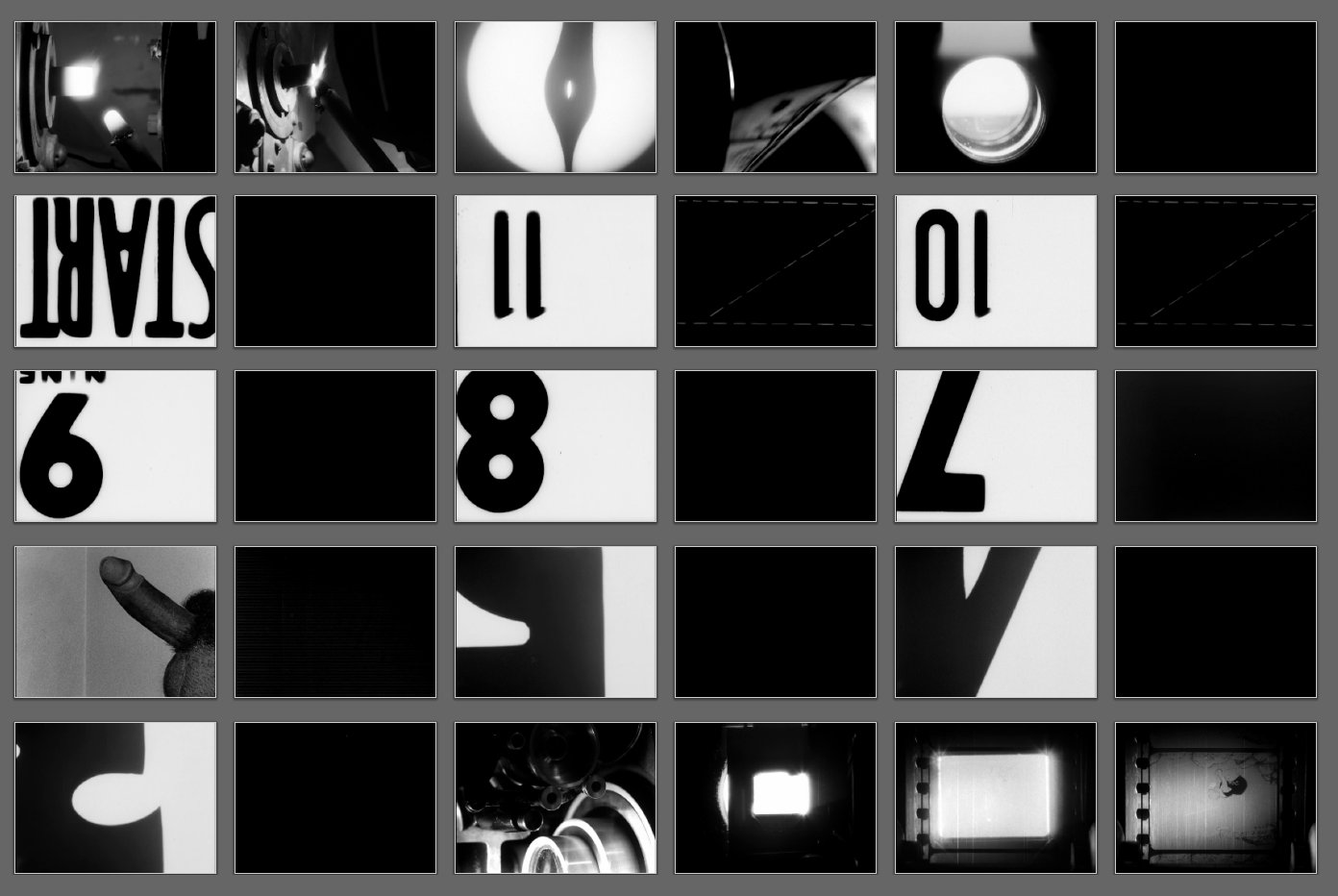
The reason I chose Persona for this blogpost is simply this: I have never seen a movie that was so transparent in its control of the audience as this one. As the film starts, it lets you know that you're watching a movie. You see the projector start to run as various shots shoot across the screen and take you through a series of unrelated stock footage, and a humorous freeze frame of an erect penis. Then the film shows you a bunch of dead people and this monotonous dripping sound in the background. And then it shows you some skinny kid reach out towards a blurry image of a woman. By this point, just about anybody is scratching their heads in confusion. Bergman has just begun his magic trick onto the audience.
Reverse-Engineering Persona | exit's /dev/urandom blog

At this point, the movie starts to somewhat introduce a dramatic plot about an actress who has gone mute. A nurse is assigned to watch over her and get to know her. She spends a large amount of time telling the mute actress all about her life, and her personal life experiences. She tries to get the actress to talk multiple times, but it simply does not work. They then go in isolation with each-other as part of the actress' treatment. It is here that the film starts to give you an impression that it has eased into a comfortable drama and the illusion of the invisible director starts to take shape. This is dashed, however, when in a climactic moment of the drama, the film literally burns up and stops and shows you some more unrelated stock footage. This is Bergman telling the audience that he still has control of their experience and that the drama they are seeing is a fabrication. It is such a power move and completely unprecedented and one of the all time greatest moments in the entire history of the medium. After that, there are many other appearances of the director, including a very literal appearance where you see the entire crew and camera set up in a mirror reflection. Bergman isn't attempting to create an illusion of immersion, he is desperately forcing you to be aware of how fabricated everything is. This isn't just a deconstruction of the cinematic orthodoxy, this is a film about the art of film itself. It has grown sentience with "Persona".  In fact, the persona of "Persona" is film itself. I can't think of anything that can be more auteur than that, than to literally grab your audience by the head and make them understand as plain as day that they are watching a movie that had intelligence behind it, and a crew that made every little moment possible. Nothing is real, it is all just a movie. It took a tremendous amount of gall to be able to do that, but thank God he did because that was also one of the first films to give transparency to the filmmaker which inspired many young filmmakers of the time and gave them the confidence to play around their own sensibilities. Hollywood was never transparent like that. The only indication that there was any director or crew involved at all were the opening credits and they were instantly forgotten by the time the narrative started.
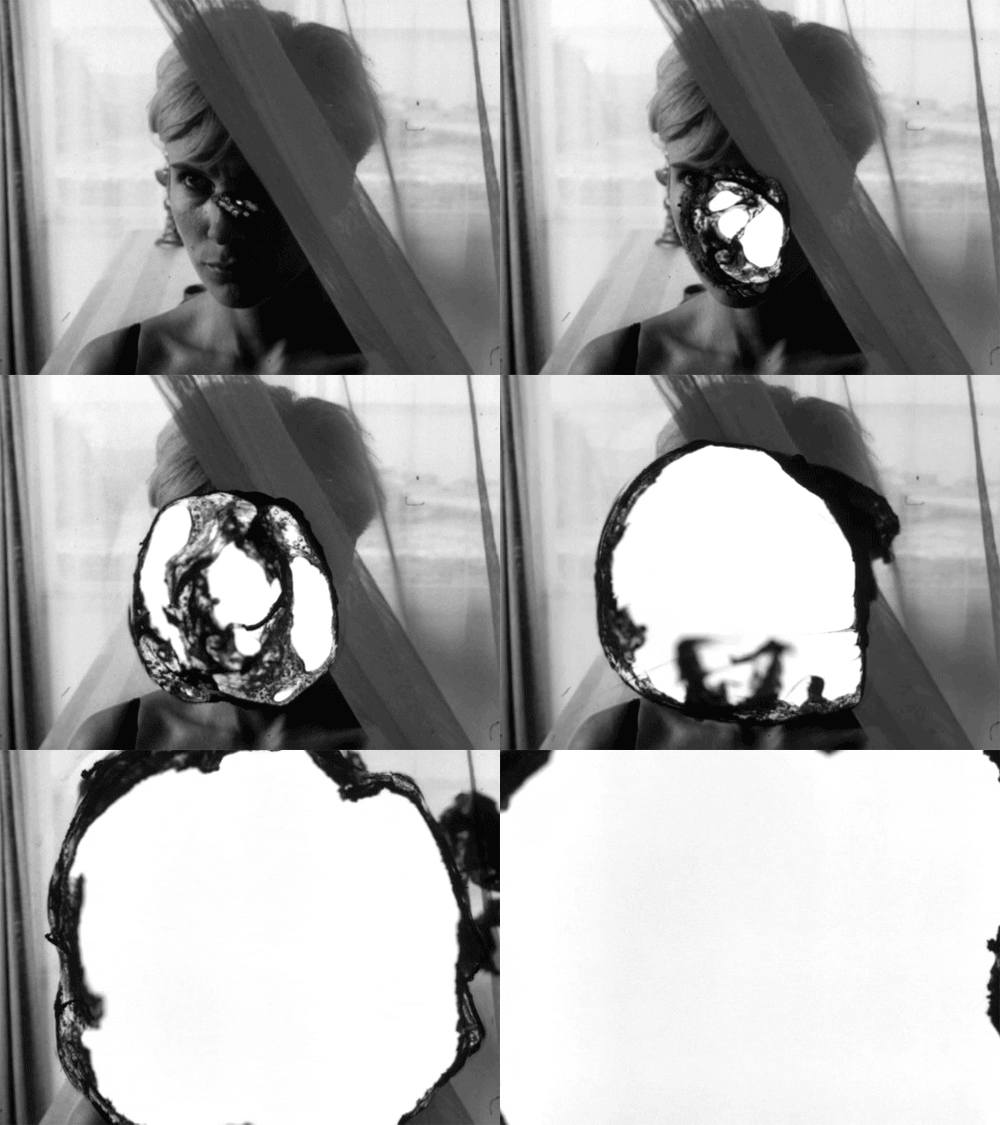
Un gif dans ta gueule...

Besides "Persona," Bergman's work was largely identifiable as his own. His auteur trademarks include female interrelationships, religion, pain and torment, mortality, unrequited love and the list goes on and on. He pretty much used the same troupe of Swedish actors for his entire career, and even sparked the careers of many Swedish international stars such as Max von Sydow and Pernilla August, who became famous in 1999 when she portrayed the mother of Anakin Skywalker in "Star Wars Episode I: The Phantom Menace". There was also this island that he filmed most of his films on, and even lived at during the last decades of his life. The island has since been dubbed "Bergman Island" in his honor and there is currently a film being made about it by filmmaker Mia Hansen-Love.
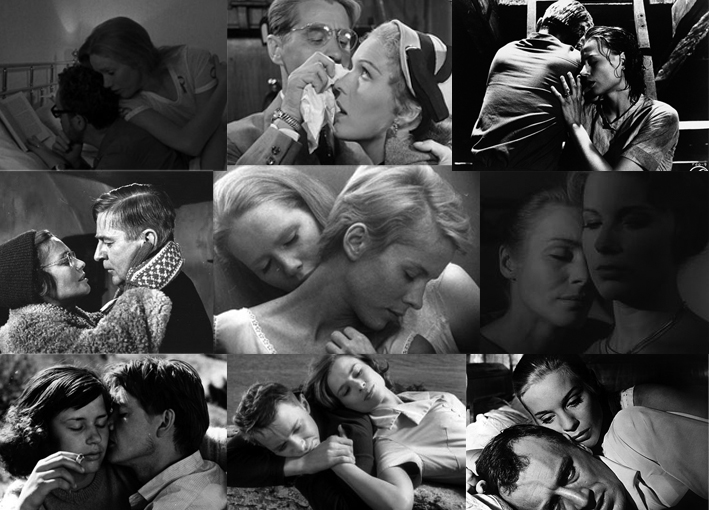
INGMAR BERGMAN COLLAGE | Il cinemino di wigWag

In short, Bergman always had control over his films. In fact, he originally came from the stage and was also a playwright, so his sensibilities automatically fit the auteur style that was originally defined by Truffaut. The revolution was started by Hitchcock with "Vertigo" and "Psycho", and then maintained by French New Wave films like "The 400 Blows" and "Breathless" and then perfected with Bergman's "Persona". And then it hit America with the New Hollywood movement with films such as "The Graduate" and "2001: A Space Odyssey" and is even present in Martin Scorsese's debut "Who's That Knocking at My Door"... and it progressed throughout the 70s, until Michael Cimino's blunder "Heaven's Gate" crashed the film industry in 1980, and pure auteur cinema would be dead until the revival in the mid-1990s with the rise of independent films. There have been several small revolutions in film since then, but they have never been as big or as epic as the auteur revolution. With as young of an art-form that cinema is, it only anyone's guess at what the future will hold. But one thing's for sure, Bergman could have reached the zenith of film history with "Persona", but I guess that will be up for future generations to decide.

Persona analysis by the YouTuber "Renegade Cut"

https://www.youtube.com/watch?v=a9BWDVhly5Y&t=243s

The Irishman: A Culmination of Marty

Martin Scorsese is a household name in the art of filmmaking. His stories have captivated audiences for years on end, directed stories such as Taxi Driver, Goodfellas, Raging Bull, The Wolf of Wall Street, and Casino. However, his most recent film, The Irishman, is the most recent story that Scorcese has brilliantly told. Irishman is the story of former mobster assassin Frank Sheeran, and his confession of killing a very notable figure in the teamsters union, Jimmy Hoffa.


In the essence of true auteur theory, Scorsese reuses tons of elements, (whether it be motifs, color palettes, actors, themes etc.) in all of his films, but I find many of them to be apparent in The Irishman. Let's check some of them out!

Breaking the Fourth Wall

One thing Scorsese loves to do is have some of his characters talking to the camera. We see this in the ending of Goodfellas where Henry Hill speaks to the camera about the resolution of his case:


We see this exact same signature in Irishman when Russell Bufalino, the infamous crime boss played by Joe Pesci, talks about how he does business:


The most interesting part about this effect is that the breaking of the fourth wall might only happen once in the entire film, which completely catches the viewer off-guard. These films aren't the "mockumentary" style, so they seem out of place, but just work in a beautiful, funny way.

Actors

Martin Scorsese loves Robert De Niro, who has been featured in eight of his films. These films include Goodfellas, The Irishman, Raging Bull, Taxi Driver, King of Comedy, and even more. I think De Niro just loves the versatility De Niro has in the mobster movies that he loves to make (which we'll get to later).

Joe Pesci has also been featured in quite a few Martin Scorsese movies, with Goodfellas, Raging Bull, Casino, and The Irishman. His natural accent bodes well for these mobster movies as well.

Irishman features both.

The Mob

Martin Scorsese has a particular affinity for making movies about the mob. I wouldn't say that it shows his affection, quite the contrary actually, but I think he enjoys the environment of the mob, and how he can portray the human inclination toward power. Goodfellas, Casino, and The Departed are great examples of crime films.

The Irishman centers around the Bufalino crime family and how Frank Sheeran is integrated into it.

The Rise and Fall

One thing I think Scorsese enjoys telling to audiences is the story of the rise and fall. This is apparent in Goodfellas with the story of Henry Hill. He was once on top of the world, with tons of connections at only the age of 23, but descended into addiction and an eventual selling out of all his friends, ending up in the witness protection program. You'll see a similar story in The Wolf of Wall Street, and Raging Bull.

The Irishman is supremely about how someone like Frank Sheeran can be so renown amongst his group of confidants, but then loses absolutely everyone he was close with, even his family, essentially dying alone.

The Betrayal

Finally, Scorsese frequently places some sort of betrayal in his films. The most evident to me is that of Henry Hill selling out all of his friends in Goodfellas, including his best friend James Conway in court to protect himself.

Obviously, Sheeran cared a lot for Hoffa and wasn't a fan of "whacking" him, but did it anyway, evidencing a betrayal.

These are just a few of the re-occuring elements of Scorsese that really make him a great example of auteur theory. Very few directors are able to demonstrate such consistency in themes, motifs, and actors while still creating unique stories. 


Tyler Perry


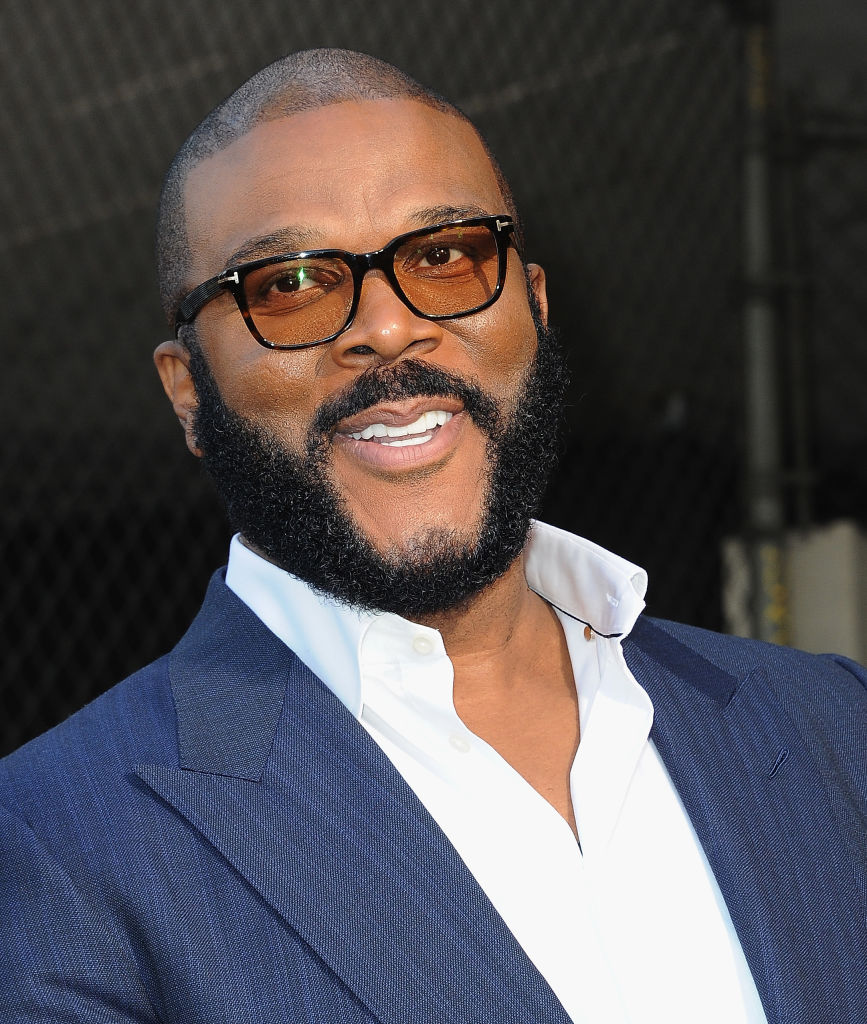
Tyler Perry Is the First African American to Own This

Tyler Perry is a writer, actor, and director who has changed the direction of mass media. He stays consistent with different things throughout his movies, plays, and television shows. 

A majority, if not all of Tyler Perry's movies that I have seen include himself as an actor. He is very good about disguising himself and playing a big or small roll in his movies. He is considered to be a consistent character in his films, so this is one reason he is known as an auteur. It wasn't until after the movie, "A Madea Family Funeral" when I was watching the credits that I realized he played four different rolls in just that movie alone, which is impressive. He is in
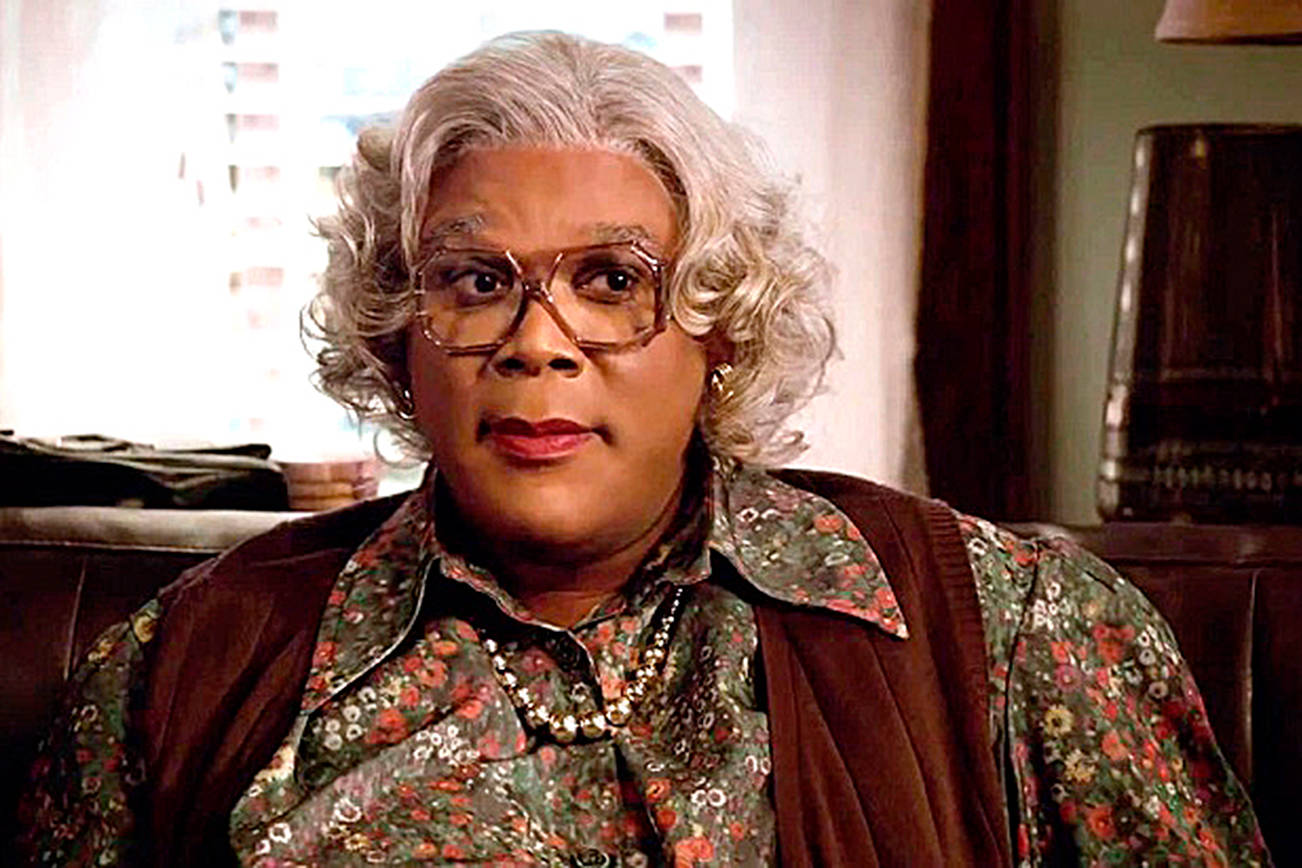
No more pantyhose: Tyler Perry says he's done with Madea ...

A common style that you see throughout a lot  of Tyler Perry movies is black feminism/empowerment. I think this because if you watch his movies a lot of the time you will have a black woman or women who are experiencing oppression and are struggling. But at the end that woman usually finds a way to overcome and achieve. Madea (which is Tyler Perry, pictured to the right) isn't the wealthiest person but is usually not the woman who is experiencing the oppression. I see Tyler Perry using the character Madea as a supporter in his movies, because she always serves a vital role in being there for the character who is struggling or experiencing the most conflict in the film.
Madea's Big Happy Family (film) - Wikipedia

The thing I like most about Tyler Perry plays and movies is that all of them have something to do with family. He is 100% a family man and doesn't hesitate to show it. Other than the families in his movies, he made TV shows (House of Paynes and Meet The Browns) which were based strictly around those families and family friends. The families in his films are not always "happy families." But the families that do need to come together always find a way with Tyler Perry. Tyler Perry is also a very religious man and that shows, because in most of his work church/reaching out to God is going to be present.